What Are Inches of Water and How to Measure Them
In the world of HVAC and ductwork, airflow and pressure are everything. Whether you're troubleshooting a system or fine-tuning performance, one measurement stands out as especially critical: inches of water.
What Are Inches of Water?
Inches of water column (written as in. w.c. or in. H₂O) is a unit of pressure used to measure low-pressure air systems. One inch of water column is the pressure exerted by a 1-inch-high column of water at standard conditions. In more technical terms:
1 in. w.c. ≈ 0.036 psi
That might sound small, but in ductwork and ventilation systems, even slight pressure differences can make a huge impact on airflow efficiency.
This unit is especially useful for measuring things like:
- Static pressure
- Velocity pressure
- Differential pressure
How to Measure Inches of Water Using a Pitot Tube
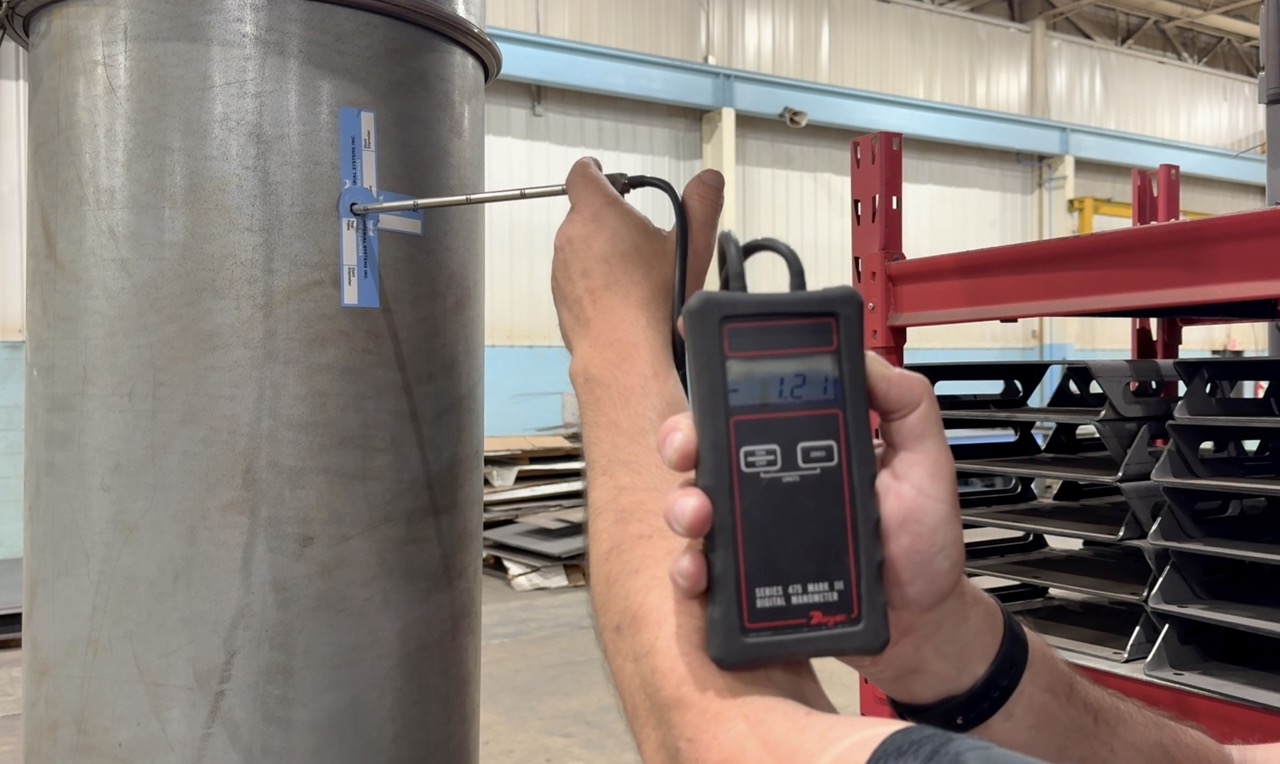
To measure air velocity and pressure inside a duct, HVAC professionals often turn to a tool called a Pitot tube. This device captures both total pressure and static pressure, allowing you to calculate airflow performance.
What You’ll Need:
- A Pitot tube
- A manometer (analog or digital, calibrated in inches of water)
- Flexible tubing
- Access to the duct via a drilled hole or test port
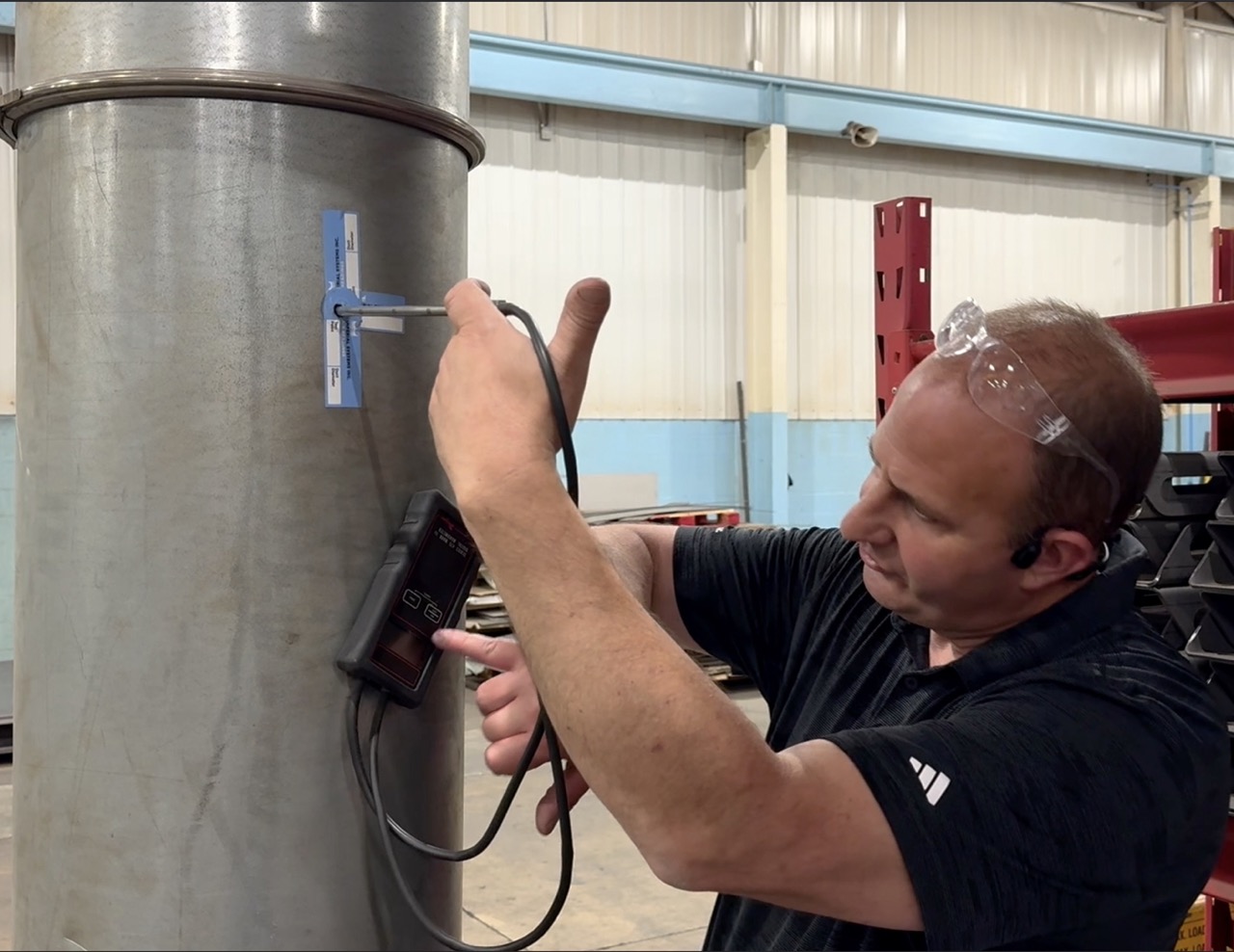
Step-by-Step Process:
1. Insert the Pitot Tube into the Airflow
Find a straight section of ductwork—ideally 7 to 10 duct diameters away from any bends or fittings to avoid turbulence. Drill a small test hole, then insert the Pitot tube so the tip is facing directly into the airflow.
2. Connect the Tubing to the Manometer
The Pitot tube has two ports:
- Total pressure port (facing the airflow)
- Static pressure port (perpendicular to the airflow)
Connect these ports to your manometer using the tubing. Make sure you match the correct pressure lines to the right ports on the gauge.
3. Read the Pressure
The manometer will display a pressure reading in inches of water. This number represents velocity pressure, which is calculated as:
Velocity Pressure (VP)=Total Pressure−Static Pressure\text{Velocity Pressure (VP)} = \text{Total Pressure} - \text{Static Pressure}Velocity Pressure (VP)=Total Pressure−Static Pressure
If using a U-tube manometer, simply measure the difference in the water column height to get the pressure in inches of water.
Want to Go Further? Calculate Air Velocity
Once you have the velocity pressure (VP), you can calculate air velocity in feet per minute (FPM) using this formula:
Velocity (FPM)=1096×VP (in. w.c.)\text{Velocity (FPM)} = 1096 \times \sqrt{\text{VP (in. w.c.)}}Velocity (FPM)=1096×VP (in. w.c.)
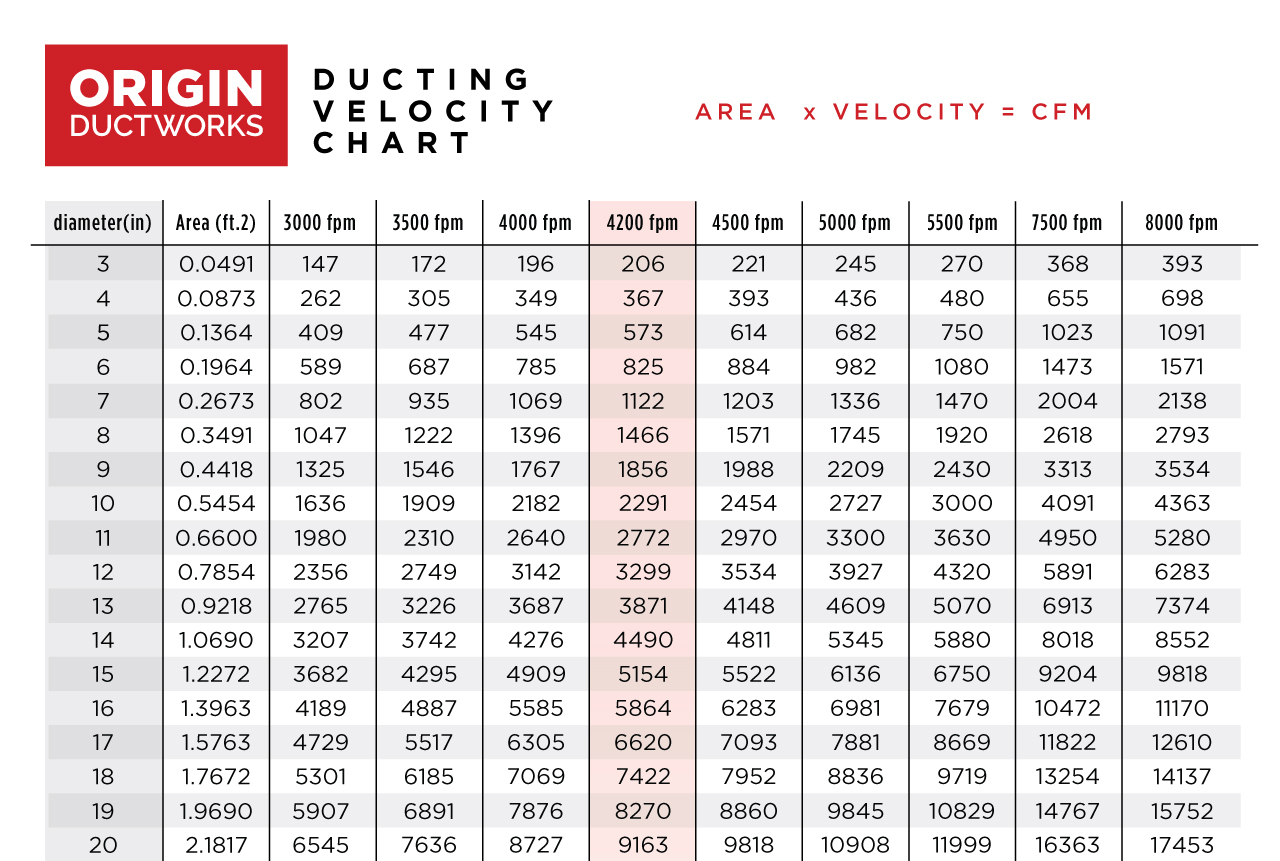
Then, to find airflow (CFM), multiply that by the cross-sectional area of your duct:
CFM=Velocity (FPM)×Duct Area (ft²)\text{CFM} = \text{Velocity (FPM)} \times \text{Duct Area (ft²)}CFM=Velocity (FPM)×Duct Area (ft²)
Why It Matters
Measuring pressure in inches of water is key to ensuring that your duct system is operating efficiently. If pressure is too low, airflow might be restricted; too high, and you're wasting energy or damaging components. Using a Pitot tube with a manometer gives you the real-world data you need to balance your system and optimize performance.
Need help picking the right tools for the job or interpreting your readings? Drop us a line—we’re here to help you get your airflow dialed in perfectly.