Understanding Duct Velocity: How to Size Your Industrial Ductwork for Peak Performance
When it comes to industrial dust collection and ventilation systems, getting your duct sizing right is critical. Too slow, and material settles and clogs your system. Too fast, and you're wasting energy and creating excessive wear. The sweet spot lies in understanding the relationship between duct diameter, air velocity, and CFM (cubic feet per minute).
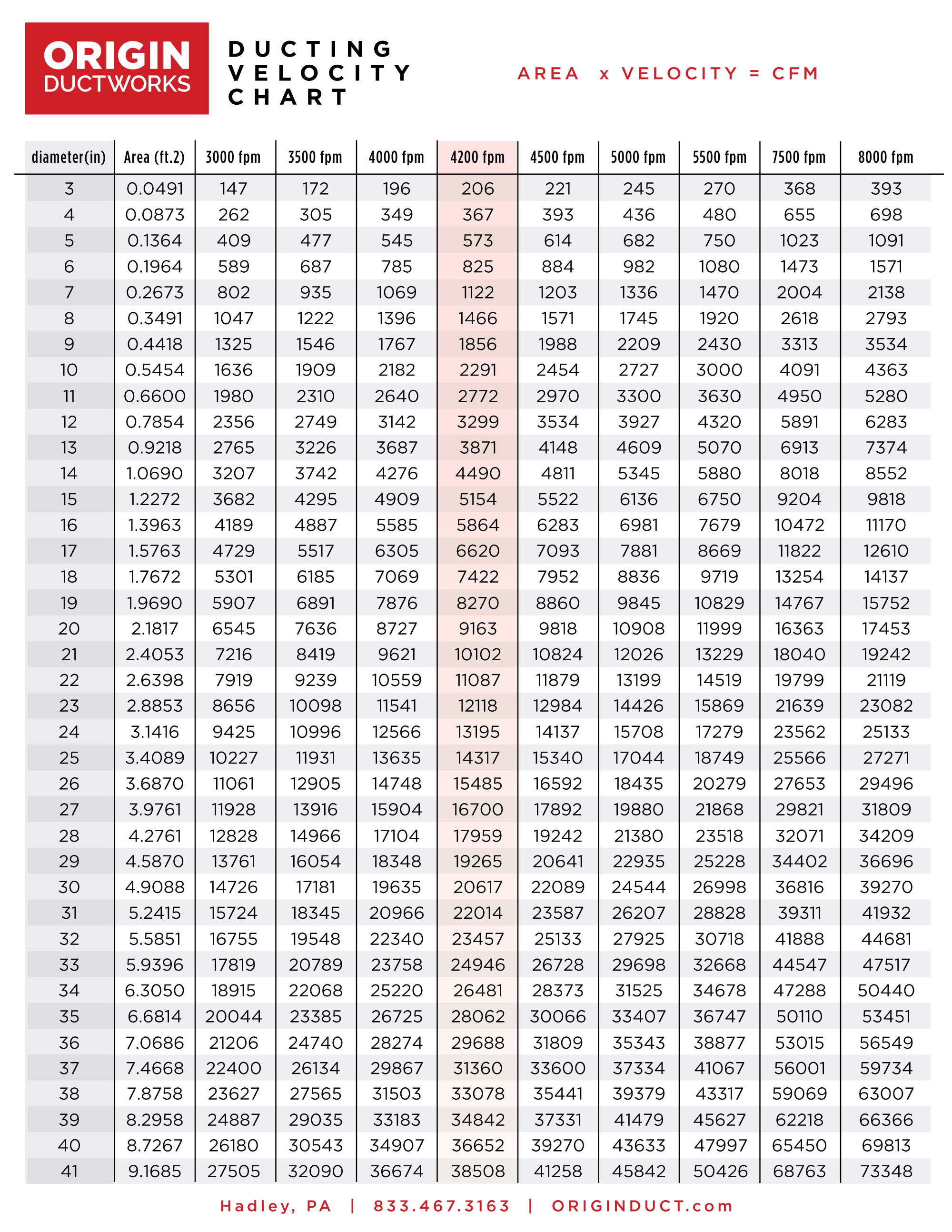
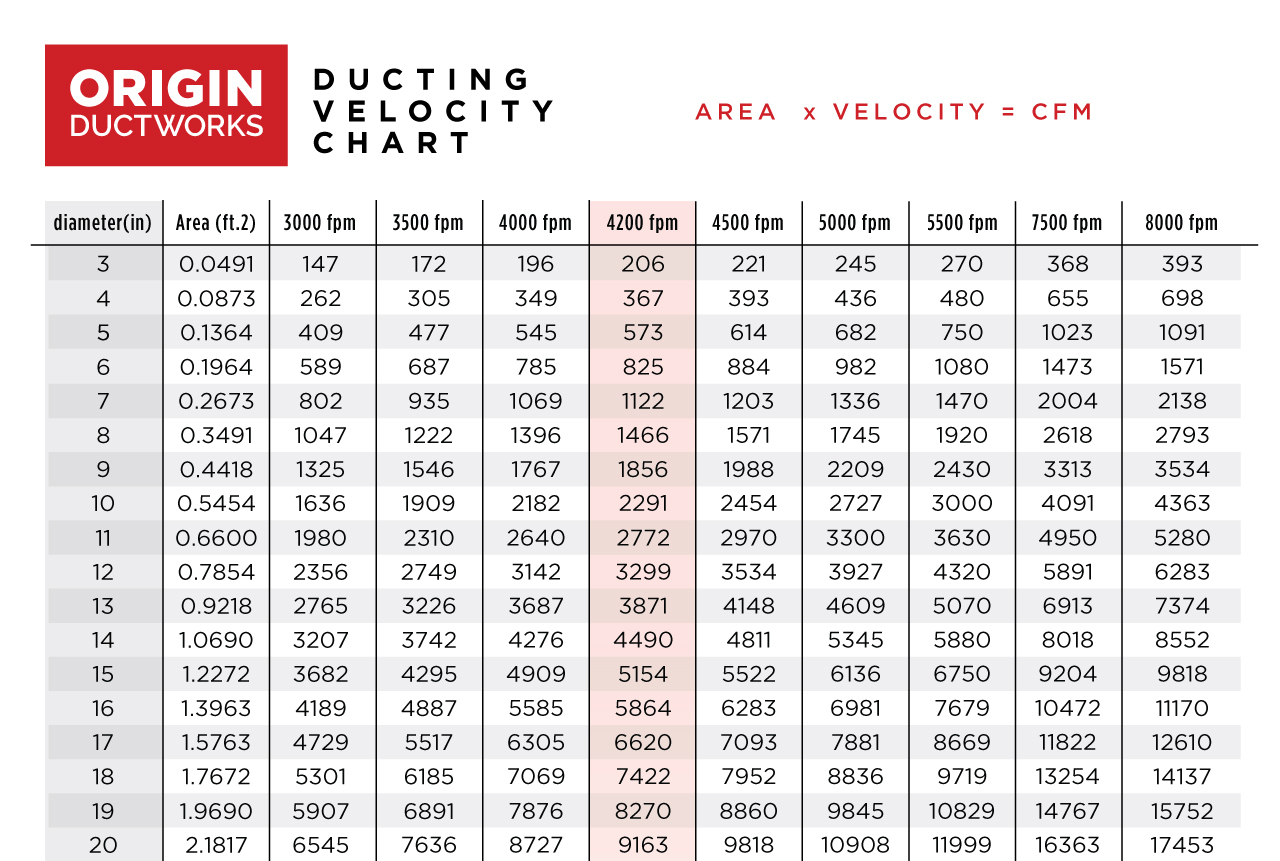
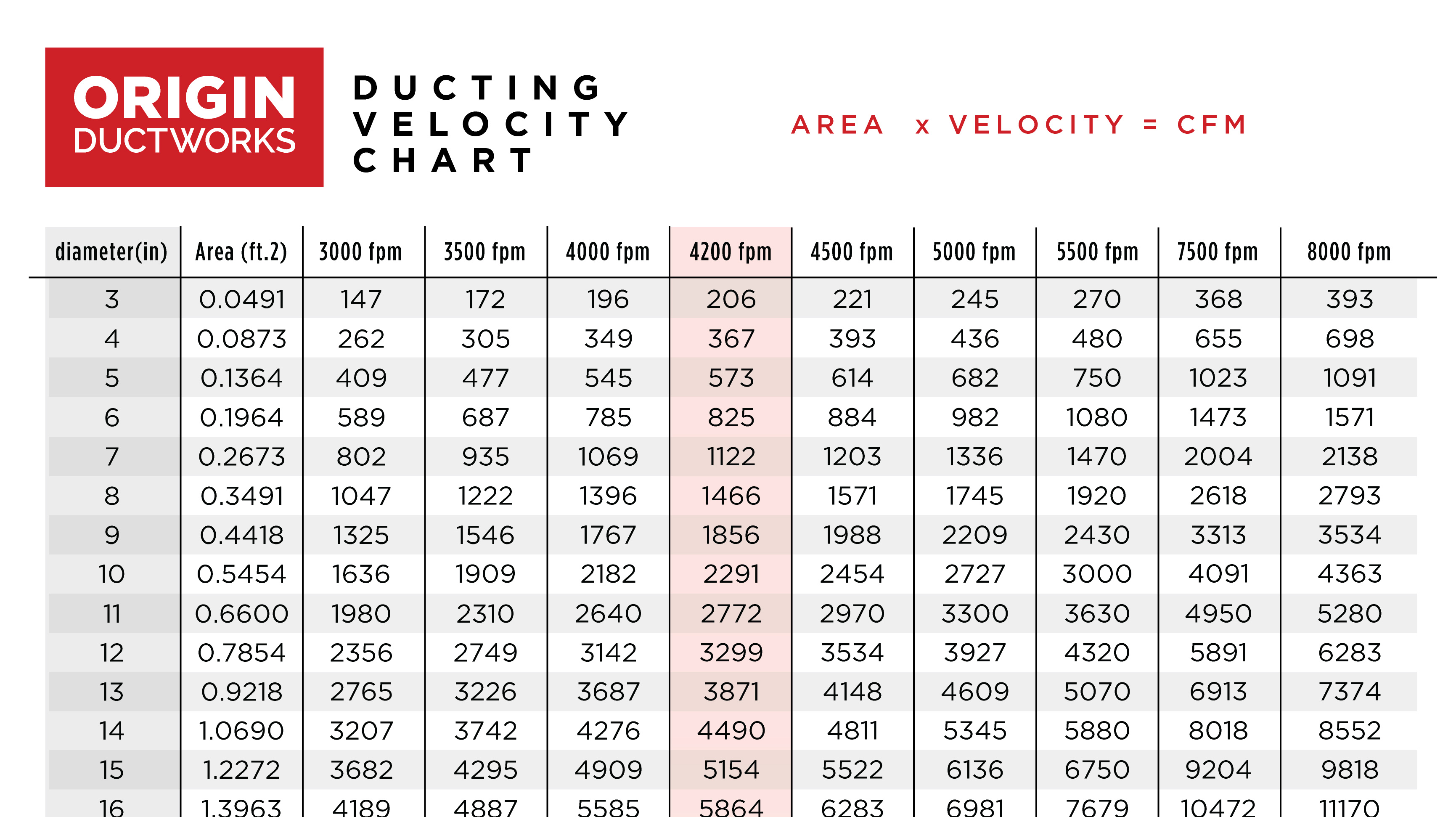
The formula is simple: Area × Velocity = CFM
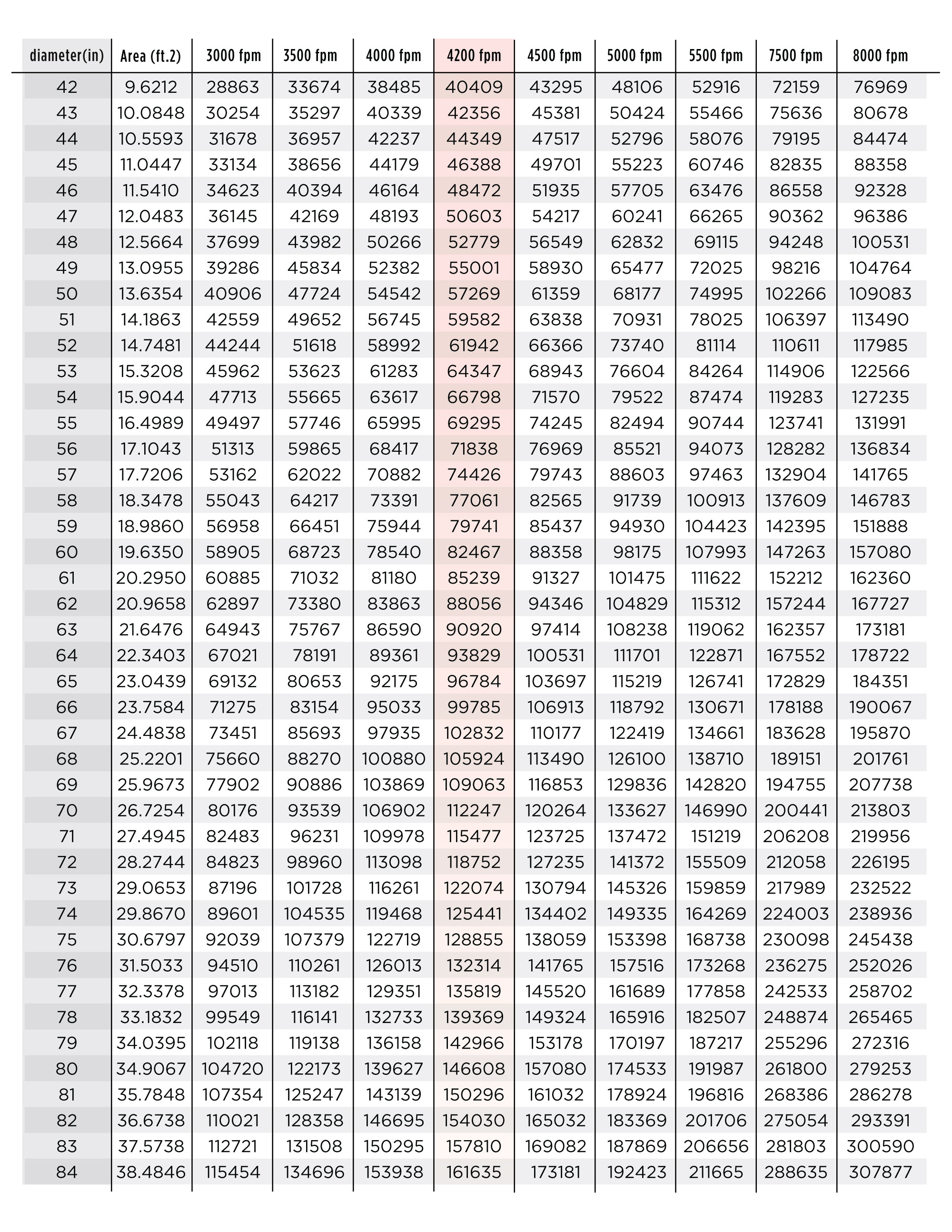
Origin Ductworks' Ducting Velocity Chart takes the guesswork out of this calculation. Covering duct diameters from 3" all the way to 84", and velocities ranging from 3,000 FPM to 8,000 FPM, it gives installers and engineers a fast reference for any application.
How to Use the Chart
Each row lists a duct diameter alongside its cross-sectional area in square feet. Across the columns, you'll find the resulting CFM at each velocity. For example, a 12" duct running at 4,200 FPM moves 3,299 CFM, useful for medium-duty dust collection. Scale up to a 24" duct at the same velocity and you're moving 13,195 CFM, suitable for larger industrial operations.
Choosing the Right Velocity
- 3,000–3,500 FPM - Light materials, general ventilation
- 4,000–4,500 FPM - Common range for wood dust and fine particulates
- 4,200 FPM - A widely used standard for woodworking dust collection
- 5,000+ FPM - Heavier materials like grain, chips, or abrasive dust
- 7,500–8,000 FPM - High-demand industrial and blast applications
Why Proper Velocity Matters
Undersized duct at too low a velocity leads to material dropout and buildup, a fire hazard and maintenance nightmare. Oversized duct moves too little air for the horsepower invested. Getting it right the first time saves money, reduces downtime, and keeps your system running safely for years.
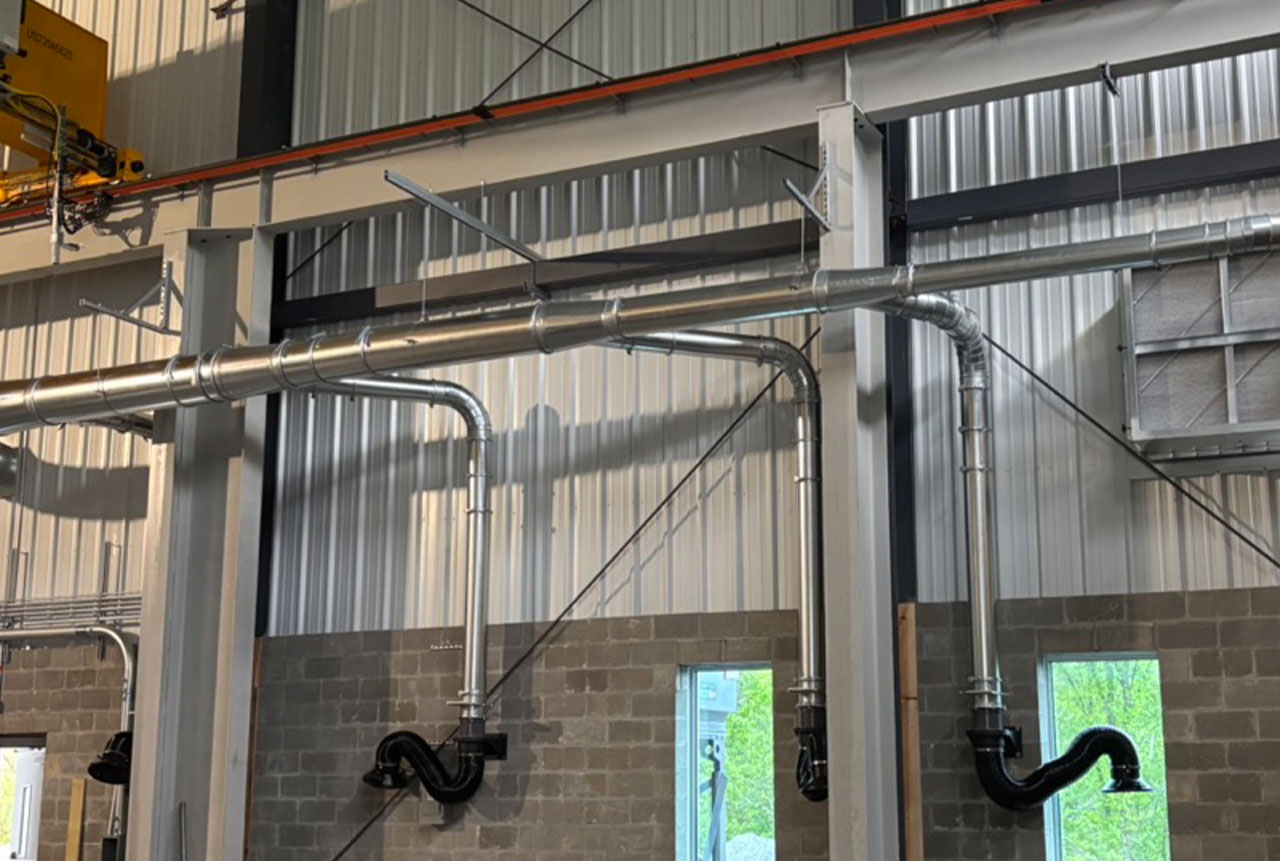
Origin Ductworks manufactures USA-made industrial ductwork engineered for installers, with decades of hands-on ventilation expertise behind every product. Whether you're sizing a new system or retrofitting an existing one, this chart is a go-to reference for getting it right.