Understanding Static Pressure: The Hidden Force Behind Effective Ductwork Design
When designing a ductwork system, it’s easy to focus on visible components—like the size of the ducts, the layout, or the type of fittings and grills. But one of the most important, and often overlooked, elements of system performance is static pressure.
So, What Is Static Pressure?
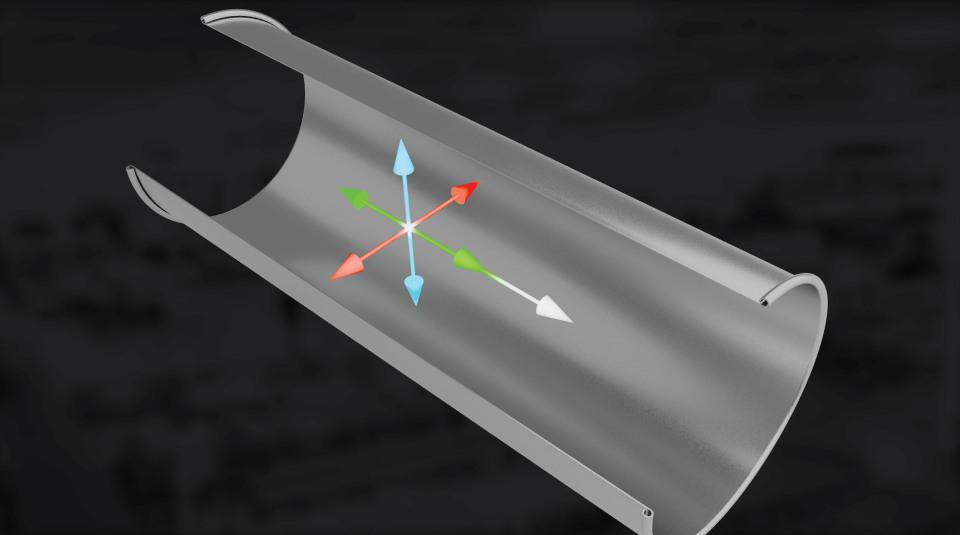
Static pressure is the force air exerts outward on the walls of ductwork when the air is at rest or moving slowly. Think of it like the pressure inside an inflated balloon—it’s pushing equally in all directions, even though the balloon isn’t moving.
In duct systems, static pressure is measured in inches of water column (in. w.c.) or Pascals (Pa) and it tells us how much resistance the air is encountering as it moves through the system. This resistance comes from duct length, bends, filters, dampers, diffusers, and anything else that restricts airflow.
The Three Pressures of Airflow
To understand static pressure fully, it helps to look at how it fits into the broader picture of airflow:
- Static Pressure (SP): Pressure exerted outward in all directions within the duct.
- Velocity Pressure (VP): The pressure from the motion (speed) of the air.
- Total Pressure (TP): The combination of static and velocity pressure.
A well-designed duct system balances these pressures to ensure efficient and effective airflow throughout a building.
Why Static Pressure Matters in Duct Design
Ignoring static pressure can lead to big problems in a ventilation system. Here’s why it matters:
1. Fan Performance Depends on It
Fans are designed to move air against a specific amount of resistance. If the static pressure is too high, the fan won’t be able to push enough air through the system. This leads to poor airflow and inefficient heating, cooling, or ventilation.
2. Overworking the System
When static pressure is too high, the system works harder to overcome resistance. That means higher energy use, increased wear and tear, and more frequent maintenance or repairs.
3. Comfort & Air Quality Suffer
Poor airflow leads to hot and cold spots, stagnant air, and inconsistent delivery of conditioned air. In some cases, it can also reduce the effectiveness of filters and ventilation, impacting indoor air quality.
4. Noise and Vibration
Excessive pressure often leads to whistling vents, rattling ducts, and other annoying sounds that signal something’s wrong with your airflow.
Designing with Static Pressure in Mind
When designing ductwork, engineers and contractors calculate the Total External Static Pressure (TESP) the system will need to handle. Then they match this requirement with the capacity of the fan or air handler. Properly sized ducts, minimal turns, smooth transitions, and high-efficiency components all help reduce unnecessary resistance.
Bottom Line
Static pressure is the quiet force that drives air through your duct system. Without accounting for it in the design phase, even the most advanced HVAC equipment will struggle to perform. Whether you're a designer, installer, or building owner, understanding static pressure means creating systems that are quieter, more efficient, and far more comfortable.